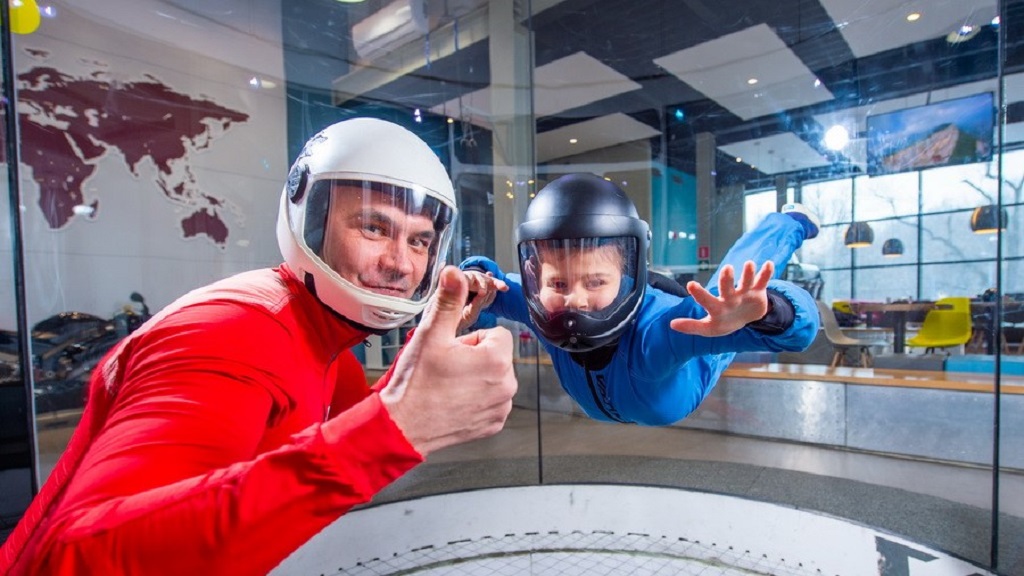
If you’re searching for indoor skydiving in Pula, you’ve landed in the right place. Our directory currently lists no wind tunnels in and around Pula, so there are no local facilities to book directly from this page. However, options may exist within reasonable travelling distance of the wider Istrian region. This guide will help you understand the sport, plan your visit, and find the nearest available tunnel to enjoy this remarkable activity.
Pula sits on the southern tip of the Istrian Peninsula in Croatia, a country nestled in southern Central Europe on the continent’s Adriatic coast. Indoor skydiving is growing steadily across the region, so it’s worth checking our prices and cost guide before you travel. Understanding what to budget ahead of time makes planning your adventure much easier, whether you’re visiting Pula as your base or travelling specifically for a flight session.
Indoor Skydiving in Pula: What to Expect
A typical indoor skydiving session takes place inside a vertical wind tunnel — a cylindrical chamber where powerful fans generate a controlled column of air. You float on that airstream, simulating true freefall. Sessions usually last between sixty seconds and two minutes of actual flight time. Before entering the tunnel, a trained instructor briefs you on body position and safety signals. You wear a jumpsuit, helmet, and goggles throughout the experience.
Indoor skydiving genuinely suits every ability level. First-timers learn basic stability and body position with hands-on instructor support. More experienced flyers can progress to dynamic flying, freestyle manoeuvres, and formation flying. For a full breakdown of what each stage involves, read our complete guide. In addition, many facilities offer structured progression programmes, so you can build skills across multiple visits rather than treating it as a one-off activity.
Visiting Pula
Pula is located at the southern tip of Istria and is easily accessible from multiple directions. Pula Airport connects the city to major European hubs, particularly during summer. Buses link Pula to Rijeka, Zagreb, and key Istrian towns. Furthermore, ferry connections operate seasonally across the Adriatic. If you’re driving, the Istrian Y motorway brings you close to the city centre quickly. Travelling by road from Zagreb typically takes around three hours in good conditions.
Pula is famous for its remarkably preserved Roman amphitheatre — one of the largest in the world and still used for concerts and events today. The old town clusters around the Forum square, lined with Roman temples and pavement cafés. The Verudela peninsula offers beaches and relaxed dining. Additionally, the neighbourhoods of Šijana and Vidikovac provide a genuine feel for local everyday life, away from the tourist trail. The food scene leans heavily on Istrian truffles, fresh seafood, and excellent regional wines.
More Adventures in Pula
The Pula area offers a wide range of outdoor adventures beyond the city itself. Cape Kamenjak, a protected nature reserve just south of the city, is perfect for cliff jumping, snorkelling, and kayaking along dramatic limestone coastlines. Inland Istria rewards cyclists and hikers with rolling hill trails and medieval hilltop villages. The Brijuni National Park, reachable by short boat trip, adds wildlife safaris and ancient Roman ruins to your itinerary. There is genuinely no shortage of active things to do.
Although no wind tunnels are currently listed in and around Pula, that doesn’t mean the nearest option is too far to reach. Indoor skydiving facilities across Croatia and neighbouring countries are expanding. Therefore, it’s well worth checking regularly for updates. Use our tool to find a wind tunnel near you and discover your closest available flight centre. A short road trip could easily combine a tunnel session with everything else spectacular that Istria and the wider Adriatic region offers.