If you’re searching for indoor skydiving in Magnitogorsk, it’s worth knowing that no wind tunnels are currently listed in and around the Magnitogorsk area in our directory. That doesn’t mean your dream of human flight is out of reach, however. Nearby cities may offer options worth exploring. This page gives you everything you need to plan your experience, understand what indoor skydiving involves, and discover what else this remarkable steel city has to offer.
Magnitogorsk sits in the southern Urals region of Russia, placing it at the geographical crossroads between Europe and Asia. This unique position makes the city culturally fascinating. Furthermore, its location means travellers passing through the broader Ural region may find wind tunnel facilities within a reasonable journey. Russia’s indoor skydiving scene continues to grow, so new tunnels may appear near Magnitogorsk in the future.
Indoor Skydiving in Magnitogorsk: What to Expect
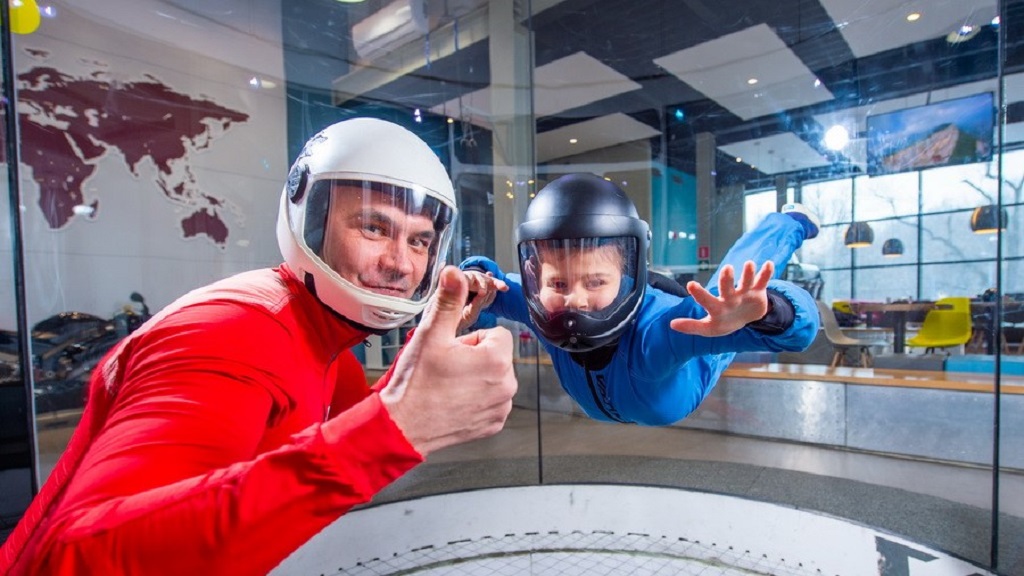
Indoor skydiving takes place inside a vertical wind tunnel. A powerful column of air lifts you off the ground, allowing you to float freely without a parachute or aircraft. Sessions typically last one to two minutes of actual flight time. An instructor guides you throughout, using hand signals to help you control your body position. The wind speed adjusts to your size and experience level, making each session feel tailored to you specifically.
Indoor skydiving genuinely suits all abilities. Beginners learn basic stability and body position during their first session. Intermediate flyers develop turns, movement, and altitude control. Advanced athletes practise dynamic formations and high-speed manoeuvres. For a full breakdown of what each stage involves, check out our complete guide. In addition, understanding the progression from novice to skilled flyer helps you set realistic expectations and get far more enjoyment from every minute of flight time.
Visiting Magnitogorsk
Magnitogorsk lies roughly 460 kilometres south of Yekaterinburg, near the Kazakhstan border. Magnitogorsk International Airport connects the city to Moscow and several regional destinations. Alternatively, long-distance trains and buses serve the city well. The Ural Mountains frame the western edge of the city, creating a striking backdrop. For travellers arriving from other parts of Russia, the journey itself offers scenic views across the southern Ural steppe and forested mountain slopes.
The city is defined by its industrial character, shaped by the legendary Magnitogorsk Iron and Steel Works, one of the largest steel plants in the world. However, Magnitogorsk offers genuine charm beyond its factories. The Lenin Avenue area features Soviet-era architecture worth exploring. The Magnitogorsk Drama Theatre hosts strong cultural performances year-round. Local restaurants serve hearty Russian and Ural cuisine. The Ural River, which marks the Europe-Asia boundary, runs directly through the city — a remarkable geographical detail in itself.
More Adventures in Magnitogorsk
The surrounding landscape offers excellent outdoor adventure. The southern Urals provide hiking, mountain biking, and climbing opportunities across dramatic terrain. In winter, the nearby Abzakovo and Bannoe ski resorts attract visitors from across Russia with well-maintained slopes and reliable snowfall. In summer, the Bannoe lake area is popular for watersports and lakeside relaxation. Therefore, whether you visit in warm or cold months, the Magnitogorsk region delivers a strong variety of active outdoor experiences beyond the city itself.
Even without a local wind tunnel right now, indoor skydiving may be closer than you think. Facilities across Russia continue to expand, and a short journey could connect you with your nearest tunnel. Use our tool to find a wind tunnel near you and discover your best options. Additionally, our prices and cost guide helps you budget your trip. Don’t let distance stop you — the thrill of human flight is absolutely worth the travel.