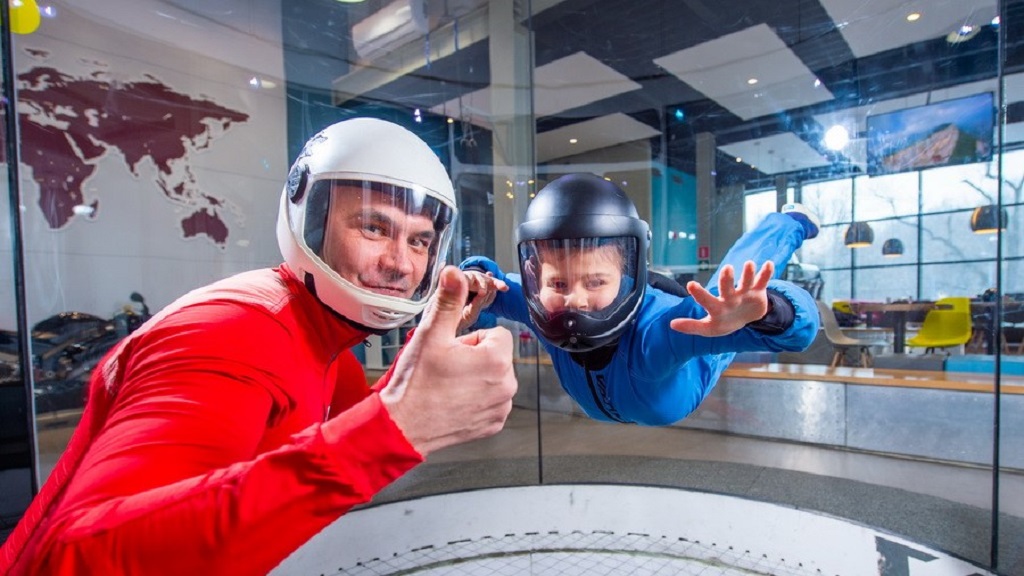
If you’re searching for indoor skydiving in Havana, you’ve landed in the right place. Our directory currently lists no wind tunnels in and around the Havana area, so there are no local facilities to display right now. However, that doesn’t mean the experience is out of reach. Nearby options may still be within travelling distance, and this page will help you explore everything you need to know before you fly.
Havana is the capital of Cuba, a Caribbean island nation situated where the Gulf of Mexico meets the Atlantic Ocean. The wider region falls within the Americas, with flight connections linking Cuba to North America, South America, and Europe. For a complete guide to how wind tunnels work and what the sport involves, we’ve got you covered. In addition, our prices and cost guide breaks down what you can expect to pay.
Indoor Skydiving in Havana: What to Expect
A wind tunnel session recreates the freefall feeling of skydiving without an aircraft. Powerful vertical fans push air upward through a padded cylindrical chamber. You float on that column of air, guided by a qualified instructor. Sessions typically last between one and two minutes of actual flight time. That sounds brief, but it delivers a genuine physical challenge. Furthermore, the experience is safe, controlled, and accessible to almost anyone in good health.
Indoor skydiving suits every skill level. Beginners learn basic body position and stability during their first session, with an instructor providing hands-on guidance throughout. More advanced flyers progress to dynamic manoeuvres, spins, and vertical dives. Therefore, the sport grows with you over time. Whether you’re booking a one-off experience or starting a serious training journey, check our prices and cost guide to understand session formats, group packages, and what each tier of experience typically includes.
Visiting Havana
Havana sits on Cuba’s northwestern coast, facing the Straits of Florida. José Martí International Airport serves the city with direct routes from Mexico, Canada, Spain, and several other countries. Within the city, taxis, classic American cars, and local buses are the main transport options. The city centre is compact enough to explore on foot in many areas. In fact, walking remains one of the best ways to absorb Havana’s remarkable streetscape and architectural character.
Old Havana, known as Habana Vieja, is a UNESCO World Heritage Site packed with colonial plazas, pastel-coloured buildings, and lively street life. The Malecón seafront promenade stretches for eight kilometres along the coast and is iconic at any hour. Additionally, the Vedado district offers a quieter, tree-lined neighbourhood feel alongside museums and restaurants. Cuban food features rice, beans, slow-roasted pork, and fresh seafood. Local music spills out of almost every doorway, making the city impossible to experience passively.
More Adventures in Havana
Havana and its surroundings offer plenty for adventure lovers. The nearby Viñales Valley, a UNESCO-listed landscape in Pinar del Río province, is ideal for hiking, rock climbing, and horse riding. Scuba diving along Cuba’s northern coastline reveals coral reefs and clear Caribbean waters. Additionally, cycling tours through Havana’s historic streets have become increasingly popular. For those who enjoy cultural adventure as much as physical thrills, Havana delivers experiences that are genuinely hard to find anywhere else in the world.
Even without a local wind tunnel, your passion for flight doesn’t have to pause. Indoor skydiving facilities across the wider region may be closer than you think. We update our directory regularly as new tunnels open around the world. Therefore, it’s worth checking back if you’re planning ahead. In the meantime, use our tool to find a wind tunnel near you and discover the closest place to take to the air.