If you’re searching for indoor skydiving in Cusco, it’s worth knowing that our directory currently lists no wind tunnels in and around the Cusco area. This high-altitude Andean city sits at over 3,400 metres above sea level, making it one of the most dramatic urban settings in South America. However, that doesn’t mean your options are limited. Nearby alternatives may still be within reach, and this page will help you explore what’s available.
Cusco sits in southern Peru, in the heart of South America. As one of the continent’s most visited cities, it draws adventurers from across the world year-round. If you’re new to the sport, our complete guide explains everything clearly. Furthermore, understanding your options before you travel helps you plan a much smoother trip, whether you’re visiting primarily for flight or for the city’s extraordinary history and culture.
Indoor Skydiving in Cusco: What to Expect
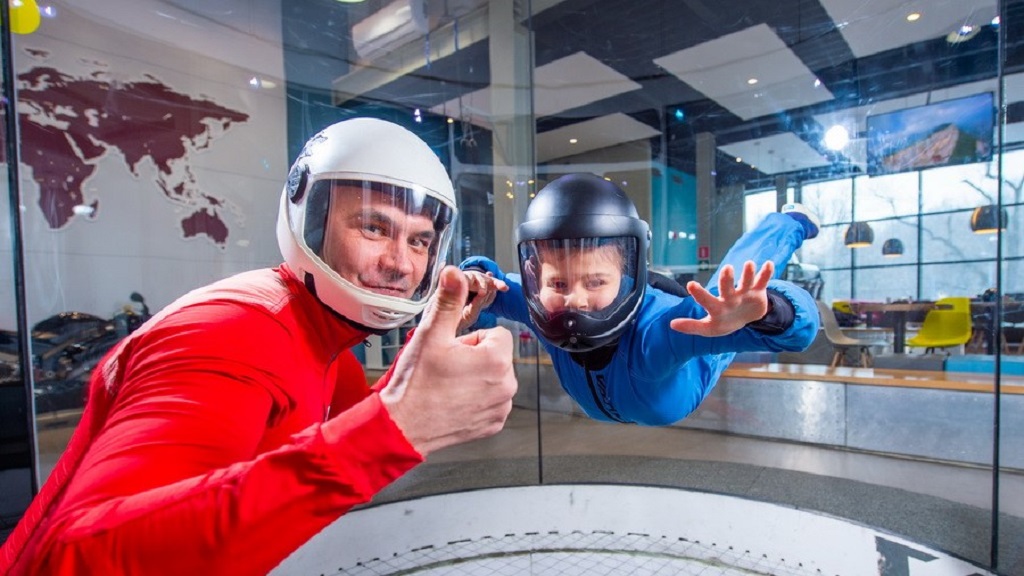
A typical indoor skydiving session takes place inside a vertical wind tunnel. Powerful fans generate a controlled column of air, allowing you to float freely without jumping from a plane. You wear a flight suit and helmet, and a trained instructor guides you throughout. Sessions usually last between one and two minutes of actual flight time. In addition, most venues offer a full safety briefing before you ever step into the tunnel.
Indoor skydiving genuinely suits all skill levels. Beginners learn basic body position and stability, while experienced flyers practise advanced freefall techniques. For example, competitive skydivers use tunnels to sharpen their formations and freestyle skills. Before you book, check our prices and cost guide to understand what a typical session involves financially. Therefore, you can budget effectively and avoid surprises when you arrive at the venue.
Visiting Cusco
Cusco is located in the southeastern Andes of Peru and serves as the gateway to Machu Picchu. Alejandro Velasco Astete International Airport connects the city to Lima and other major South American hubs. Most travellers fly into Lima first, then take a short domestic flight. Additionally, bus routes run from other Peruvian cities, though journey times can be long. The city centre is compact and walkable once you’ve acclimatised to the altitude.
The historic Plaza de Armas sits at the heart of Cusco and is surrounded by stunning colonial architecture built atop ancient Inca foundations. The San Blas neighbourhood, with its winding cobbled lanes and artisan workshops, is well worth an afternoon. Local cuisine is outstanding — try dishes like lomo saltado and cuy. Furthermore, the nearby Sacred Valley offers incredible scenery and archaeology. Cusco blends indigenous Andean culture with Spanish colonial history in a way that few cities in the world can match.
More Adventures in Cusco
Cusco and its surrounding region offer a remarkable range of outdoor pursuits. Trekking the Inca Trail to Machu Picchu remains the iconic choice, but there are many alternative routes. White-water rafting on the Urubamba River is popular with thrill-seekers. Mountain biking, zip-lining, and paragliding are also available nearby. In fact, the Sacred Valley has become a growing hub for adventure tourism. The dramatic Andean landscape provides a natural playground for those who love active travel.
Even without a local wind tunnel, there are still ways to experience indoor skydiving during your travels in this region. Planning ahead is key. We recommend using our tool to find a wind tunnel near you and checking for facilities along your broader South American route. However, if a tunnel opens in the Cusco area in future, we’ll list it here first. Bookmark this page and check back for updates as our directory continues to grow.